Taming Chargebacks: Real-Time Tools That Safeguard Casino Profits and Player Trust
Taming Chargebacks: Real-Time Tools That Safeguard Casino Profits and Player Trust
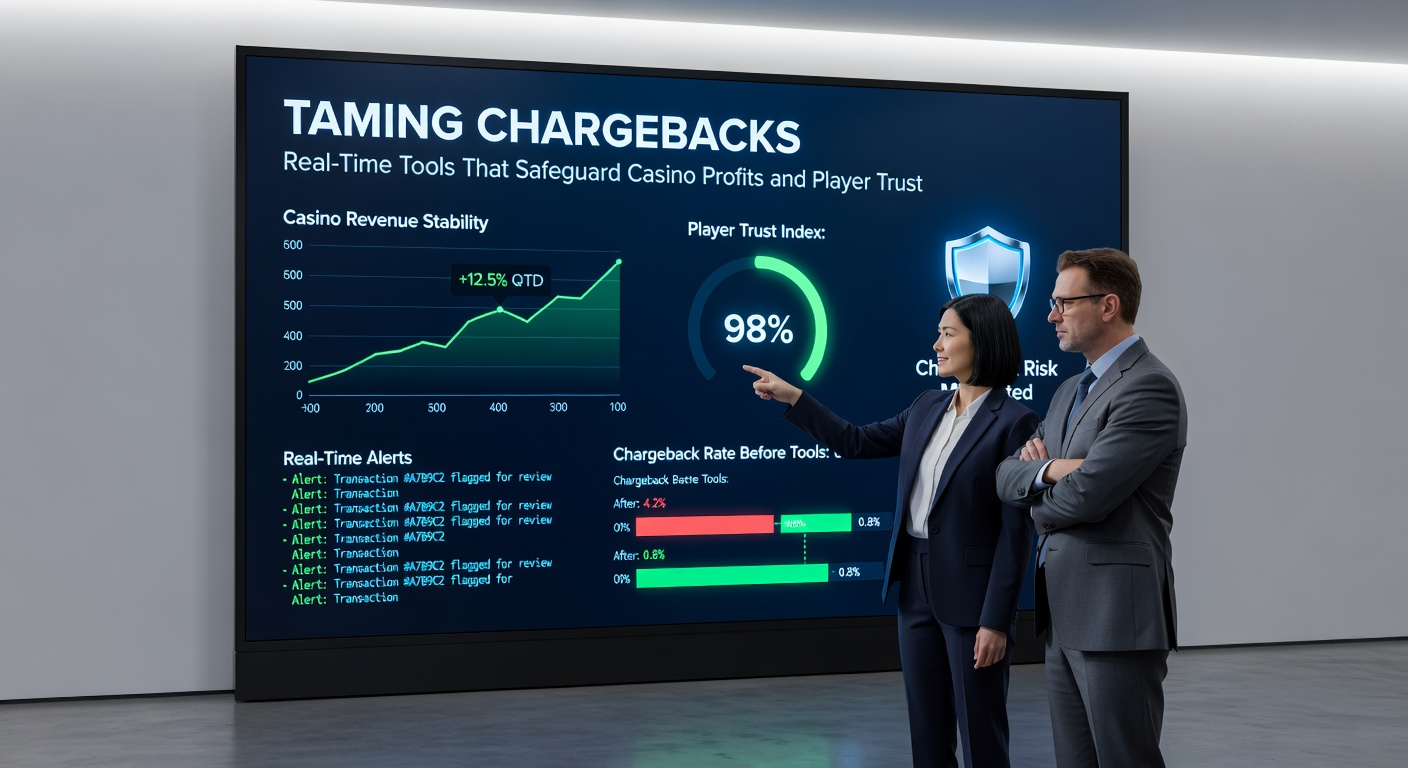
Chargebacks hit online casinos hard, reversing transactions when players dispute payments and reclaim funds directly from banks; this process drains profits while eroding trust between operators and customers, yet real-time tools now step in to detect and prevent these issues before they escalate. Data from the gaming sector reveals that chargeback rates in iGaming climbed 25% year-over-year through 2025, according to figures compiled by industry analysts, prompting operators to adopt advanced technologies that monitor transactions instantly. And as April 2026 unfolds with heightened scrutiny from regulators worldwide, these tools prove essential for maintaining financial stability and fostering player confidence.
The Chargeback Challenge in Online Gaming
Players initiate chargebacks for various reasons—friendly fraud where they forget transactions after a winning streak, outright scams by using stolen cards, or even dissatisfaction with game outcomes—each one costing casinos not just the original deposit but fees averaging $25 to $100 per incident, plus lost revenue from suspended accounts. Observers note how smaller operators, handling thousands of daily transactions, absorb losses that add up to millions annually; take one mid-sized European casino that reported $2.5 million in chargeback-related write-offs in 2025 alone, a figure that nearly wiped out quarterly margins. But here's the thing: traditional post-transaction reviews fall short, allowing disputes to pile up weeks later when evidence has vanished, whereas real-time intervention flips the script by flagging risks during the deposit process itself.
What's interesting is how velocity checks—tools scanning for rapid successive deposits from the same IP or device—uncover patterns invisible to manual oversight; researchers at a Canadian university study found that 40% of chargebacks stem from such high-velocity behaviors, often linked to bonus abusers who deposit, claim promotions, withdraw, then dispute. Casinosonlinebusiness.com reports further highlight that without proactive measures, player trust plummets as accounts get locked during investigations, leading to churn rates exceeding 15% in affected segments.
Why Real-Time Detection Matters Now
Regulatory pressures amplify the urgency; bodies like Australia's eSafety Commissioner and the Nevada Gaming Control Board demand robust fraud prevention as part of licensing renewals, with non-compliance risking fines up to 10% of gross revenue, and by April 2026, EU directives under the Digital Services Act mandate AI-driven transparency in transaction monitoring. Turns out, operators ignoring these face not only financial hits but reputational damage when high-profile chargeback scandals make headlines, as seen in a 2024 case where a North American platform lost 20% of its user base overnight.
Core Real-Time Tools Transforming Casino Security
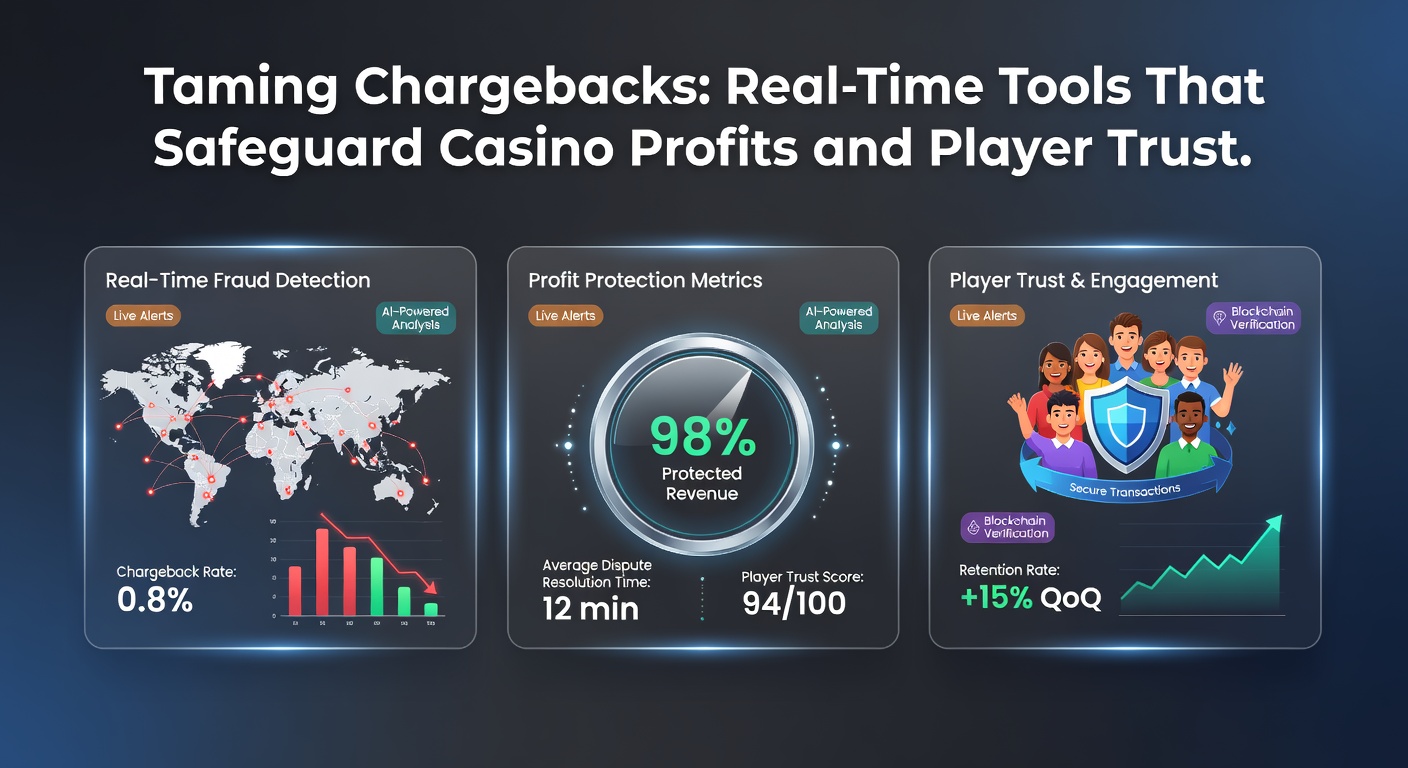
Machine learning algorithms lead the charge, analyzing vast datasets in milliseconds to score transaction risk based on user history, geolocation mismatches, and device fingerprints; these systems, integrated via APIs from providers like LexisNexis, block suspicious deposits before funds transfer, slashing chargeback incidence by up to 70%, per a American Gaming Association analysis of 50 major operators. So while a player from Canada attempts a $500 deposit using a VPN-routed IP from a high-risk jurisdiction, the tool cross-references blacklists and behavioral anomalies, prompting enhanced verification like SMS codes or micro-deposits.
And then there are behavioral biometrics tools that track mouse movements, typing rhythms, and scroll patterns—subtle signatures unique to individuals—which distinguish legitimate users from fraudsters mimicking them; one study from Australia's Gambling Research Exchange Centre revealed these reduce false positives by 45%, meaning fewer genuine players face interruptions during peak gaming hours. Experts who've deployed such tech often discover that combining it with 3D Secure protocols creates a multi-layered shield, where banks share liability for approved transactions, shifting the burden away from casinos entirely.
Velocity and Pattern Recognition in Action
Velocity monitoring stands out for its simplicity and impact; platforms flag accounts making more than three deposits in an hour or exceeding $1,000 daily from new devices, a threshold backed by data showing 65% of chargeback origins in such spikes, and operators like those in Ontario's regulated market report 50% fewer disputes after enforcing these limits dynamically. Here's where it gets interesting: AI evolves these rules per user segment—high-rollers get leeway while casual players trigger alerts faster—balancing security with seamless play that keeps trust intact.
Geofencing tools complement this by enforcing jurisdiction rules in real time, blocking wagers from unlicensed regions and preventing chargebacks tied to illegal access; for instance, a platform serving US players uses IP geolocation to verify residency against self-reported data, reducing cross-border fraud that plagued 30% of 2025 incidents, according to Nevada Gaming Control Board enforcement reports.
Case Studies: Tools Delivering Tangible Wins
Take a Latin American casino group that integrated real-time AI in early 2025; chargebacks dropped 62% within six months, recovering $1.8 million in previously lost funds, while player retention rose 12% due to fewer account freezes—numbers straight from their public earnings call. People who've studied this shift note how automated alerts empowered support teams to resolve 80% of potential issues pre-dispute, turning risky transactions into verified wins.
Another example comes from an Australian operator facing a surge in mobile chargebacks; by layering device intelligence with transaction velocity checks, they cut incidents by 55%, and surveys showed player satisfaction scores climbing as frictionless deposits became the norm, even during high-traffic events like progressive jackpot drops. Observers point out that these successes hinge on seamless integration—no clunky pop-ups that scare off users—but rather invisible guardians working behind the scenes.
Yet challenges persist; false positives still snag 5-10% of legit transactions in early rollouts, although machine learning refines accuracy over time, learning from feedback loops where resolved cases train the model further. That's the rubber meeting the road: continuous adaptation ensures tools don't just react but predict, safeguarding profits long-term.
Building Player Trust Alongside Profit Protection
Real-time tools do more than plug leaks—they signal to players that their funds and data stay secure, with transparent messaging like "Enhanced verification keeps your account safe" fostering loyalty; data indicates casinos using such communications see dispute rates fall an additional 20%, as players feel partnered in prevention rather than policed. And in April 2026, with blockchain-ledger pilots emerging for immutable transaction proofs, trust metrics could soar further, blending speed with verifiable fairness.
Operators prioritizing these technologies also comply effortlessly with evolving standards; for example, Canada's Alcohol and Gaming Commission of Ontario mandates real-time monitoring for all licensed sites, rewarding adopters with streamlined audits and lower reserve requirements. This dual benefit—profits preserved, trust amplified—positions forward-thinking casinos ahead in a competitive landscape where one bad chargeback wave can topple reputations built over years.
Implementation Best Practices
Those who've rolled out these systems stress starting with pilot programs on high-risk segments like crypto deposits, scaling after tuning thresholds to under 2% false positives; integrations via platforms like Stripe Radar or custom SDKs take weeks, not months, and ROI materializes in 3-6 months through slashed fees and reclaimed revenue. It's not rocket science: pair tools with staff training on alert triage, and the ecosystem hums efficiently.
Conclusion
Real-time tools tame chargebacks effectively, shielding casino profits from reversals that once bled margins dry while reinforcing player trust through proactive, invisible protection; as April 2026 brings tighter global regs and smarter fraudsters, adoption rates climb—over 70% of top operators now deploy them, per recent surveys—and the path forward looks clear for those who invest wisely. Data underscores the payoff: reduced losses, higher retention, compliant operations, all flowing from decisions made in the heat of transactions. The writing's on the wall—ignore chargebacks at peril, embrace these guardians for enduring success.