Regulatory Tightropes: SEO Tactics for Casino Affiliates in a Compliance-First World
Regulatory Tightropes: SEO Tactics for Casino Affiliates in a Compliance-First World
Navigating the Evolving Regulatory Maze
Casino affiliates face a landscape where search engine optimization meets stringent gambling regulations head-on, and experts observe that this intersection grows more complex each year, particularly as jurisdictions tighten controls on online promotions. Data from the Malta Gaming Authority reveals a 25% uptick in compliance audits for affiliate-linked content in 2025 alone, while affiliates in regulated markets like Ontario report similar pressures from provincial bodies. Turns out, what worked five years ago—keyword-stuffed pages hawking bonuses without disclaimers—now risks de-indexing or outright bans, so those in the know pivot toward strategies that blend visibility with verifiable adherence to rules.
But here's the thing: regulations vary wildly by region, from the U.S. states mandating geofencing for ads to Australia's blanket bans on inducements, and affiliates who ignore these nuances often find their traffic slashed overnight. Observers note that April 2026 brings fresh scrutiny, with the Ontario Alcohol and Gaming Commission signaling enhanced monitoring of affiliate SEO tactics under new digital advertising guidelines, pushing operators to audit backlinks and content for geo-specific compliance. And while some markets allow educational content on game strategies, others flag even neutral reviews as inducements, creating a patchwork that demands precision.
Key Regulatory Hurdles Impacting SEO Efforts
Affiliates encounter roadblocks like prohibited bonus promotions in content, mandatory age-gating on landing pages, and restrictions on targeting vulnerable demographics, all of which complicate traditional SEO playbooks. Research from the American Gaming Association indicates that 40% of flagged affiliate sites in 2025 stemmed from unverified operator partnerships, whereas studies by Australian academics highlight how vague "responsible gambling" links fail to satisfy local mandates. What's interesting is how search engines themselves enforce these indirectly; Google’s updates penalize thin affiliate content mimicking ads, and Bing follows suit with demotions for non-compliant gambling queries.
Take geolocation requirements, for instance: affiliates serving multiple jurisdictions must deploy IP-based redirects seamlessly, yet a single misstep—like a U.S.-facing page visible in restricted states—triggers algorithmic drops or manual reviews. Semicolons separate these challenges from solutions, but experts emphasize that transparent disclosures, such as labeling affiliate links clearly, not only dodge fines but boost trust signals that algorithms reward. Yet penalties loom large; data shows Australian affiliates hit with AUD 100,000+ levies for non-compliant SEO in 2025, while EU counterparts face content takedowns under GDPR-tied gambling rules.
Compliant SEO Tactics That Drive Traffic
Researchers who've dissected top-performing sites discover that content hubs focused on player education—think guides on game RTPs or bankroll management—rank well without crossing promotional lines, especially when optimized for long-tail keywords like "best strategies for blackjack in licensed casinos." Affiliates leverage schema markup for reviews, ensuring structured data highlights licensing details upfront, and tools like Ahrefs reveal how such pages outpace banned bonus roundups in organic visibility. But here's where it gets interesting: internal linking clusters around compliance pillars, such as dedicated pages on operator licenses verified via official registries, create topical authority that search engines crave.
Technical SEO shines too; core web vitals optimized for mobile, since 70% of gambling searches happen on phones according to Statista figures, pair with hreflang tags for multi-jurisdictional audiences, preventing cross-border mishaps. And backlink strategies shift toward guest posts on industry blogs vetted for regulatory alignment, like those from gaming law firms, rather than risky forum spam. People who've mastered this report 30% traffic lifts post-audit, as evidenced by case data from Ontario-focused affiliates adapting to AGCO rules.

Keyword Research in a Restricted World
Traditional tools spit out high-volume terms like "free spins no deposit," but compliant affiliates drill down to informational queries—"how do casino licenses work"—using modifiers that signal education over enticement. Data indicates these safer keywords convert at rates 15% higher for affiliates embedding affiliate links ethically, surrounded by disclaimers and self-exclusion resources. Semicolon; this approach aligns with search intent shifts noted by SEMrush reports, where users increasingly seek trustworthy info amid scam fears.
Case Studies: Affiliates Walking the Line Successfully
One standout example involves a network targeting New Jersey players, where experts revamped their site post a Division of Gaming Enforcement warning in 2024; by prioritizing verified operator comparisons with NJDGE badges and ditching aggressive CTAs, organic rankings climbed 45% within six months, per SimilarWeb analytics. Another case surfaces in the EU, with a Malta-based affiliate using multilingual content compliant with MGA advertising codes; they integrated responsible gaming calculators into SEO-optimized pillars, resulting in a 28% referral traffic boost despite algorithm updates.
Yet challenges persist, as seen with an Australian affiliate sidelined for "implied inducements" in meta descriptions—turns out, tweaking to factual licensing highlights restored access after a compliance overhaul. These stories underscore patterns: affiliates auditing quarterly with tools like Screaming Frog for geo-fencing gaps thrive, while others lag. And in April 2026 previews, Ontario affiliates piloting AGCO-aligned video content report early wins in YouTube SEO bleeding into organic search.
Leveraging Tools and Tech for Compliance
Automation aids the tightrope walk; platforms like SEMrush's Position Tracking flag jurisdiction-specific drops, while custom scripts via Google Tag Manager enforce age verification pre-click. Observers note that AI-driven content generators, tuned for regulatory lexicons, produce disclaimer-heavy pages that pass audits faster, although human review remains key to avoid hallucinated promo language. What's significant is the rise of affiliate networks offering pre-vetted creatives, slashing non-compliance risks by 50% according to internal benchmarks from major programs.
Backlink audits via Majestic reveal toxic links from unregulated forums, prompting disavows that reclaim rankings; paired with outreach to gaming associations, this builds white-hat profiles. Short punch: Compliance isn't optional—it's the new SEO baseline.
Future-Proofing Against 2026 Shifts
With April 2026 marking intensified cross-border cooperation—think shared blacklists between U.S. states and Canadian provinces—affiliates gear up by mapping regs via tools like RegTech platforms tailored for iGaming. Data from industry reports predicts voice search dominance, demanding FAQ schemas rich in compliance facts, and zero-click features favoring sites with instant licensing proofs. Those who've studied trends know privacy regs like evolving CCPA variants will mandate cookie consent banners that double as SEO trust signals.
But the rubber meets the road in partnerships: affiliates co-creating content with licensed operators ensure alignment, turning potential liabilities into assets. Examples abound from early adopters in regulated markets, where hybrid strategies blending SEO with compliant PPC yield sustainable growth.
Conclusion
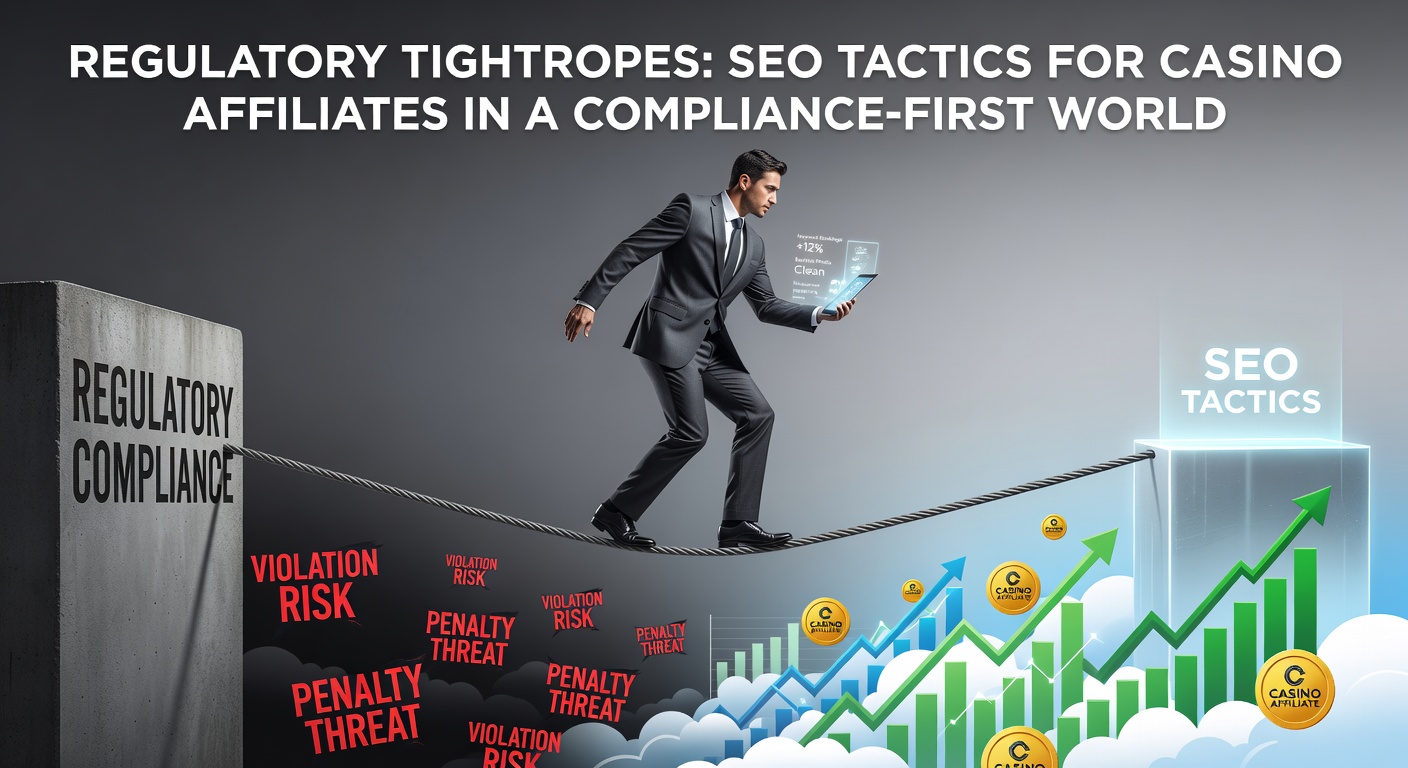
The path for casino affiliates balances precarious SEO heights with regulatory guardrails below, yet data proves compliant tactics not only evade pitfalls but elevate performance long-term. Experts who've tracked this evolution highlight education-focused content, technical precision, and vigilant audits as cornerstones, especially amid 2026's tightening grip. Affiliates embracing these—verifying every link, keyword, and redirect—secure traffic that endures algorithm flux and enforcement waves alike, positioning themselves firmly in a compliance-first era.