Mapping Intersections of Risk Protocols and Affiliate Payout Algorithms Across Multi-Jurisdictional Gaming Networks
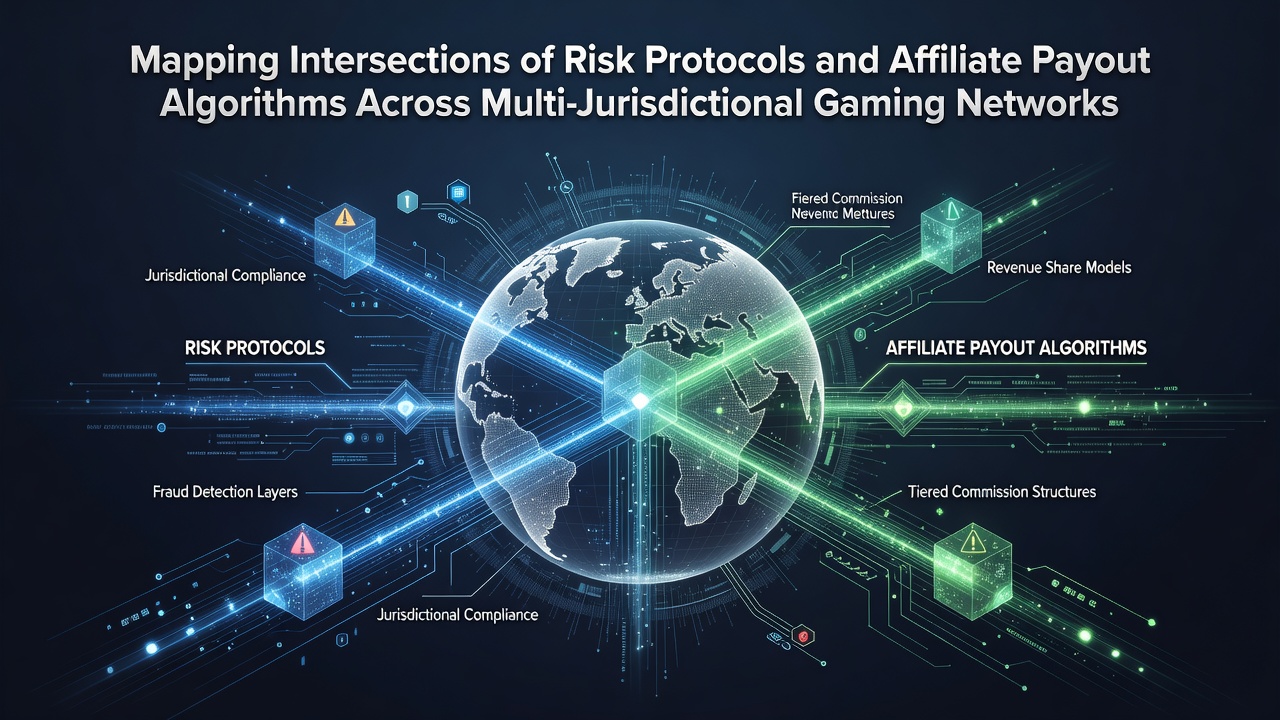
Multi-jurisdictional gaming networks operate through layered compliance frameworks that tie directly into affiliate compensation models, where risk protocols determine eligibility for revenue share and cost-per-acquisition payouts. Operators in these environments must align fraud detection systems, anti-money laundering checks, and jurisdictional licensing requirements with the formulas that calculate affiliate earnings, because a single flagged transaction can trigger adjustments across multiple revenue streams.
Risk Protocol Layers in Cross-Border Operations
Regulatory bodies in different regions impose distinct verification thresholds that gaming platforms translate into automated risk scores, and these scores feed directly into affiliate payout engines. In the United States, the Nevada Gaming Control Board requires ongoing monitoring of player accounts that exceeds basic KYC standards, while Australian state regulators emphasize source-of-funds documentation at higher transaction volumes. Platforms integrate these requirements into unified scoring systems so that affiliates promoting operators across both markets receive compensation only after all applicable checks clear.
Data from June 2026 shows increased synchronization between these scoring models and payout ledgers, particularly when operators process traffic from multiple licensing jurisdictions simultaneously. Affiliates operating in such networks encounter tiered payout structures where high-risk player segments trigger reduced commission rates until additional verification steps complete.
Algorithmic Adjustments to Payout Structures
Affiliate payout algorithms incorporate real-time risk signals through conditional logic that recalculates earnings based on player retention metrics filtered by compliance status. When a player account receives an elevated risk flag, the system may shift from revenue share to a fixed CPA model or suspend payments pending manual review, and these shifts occur automatically across all affiliate accounts linked to that player.
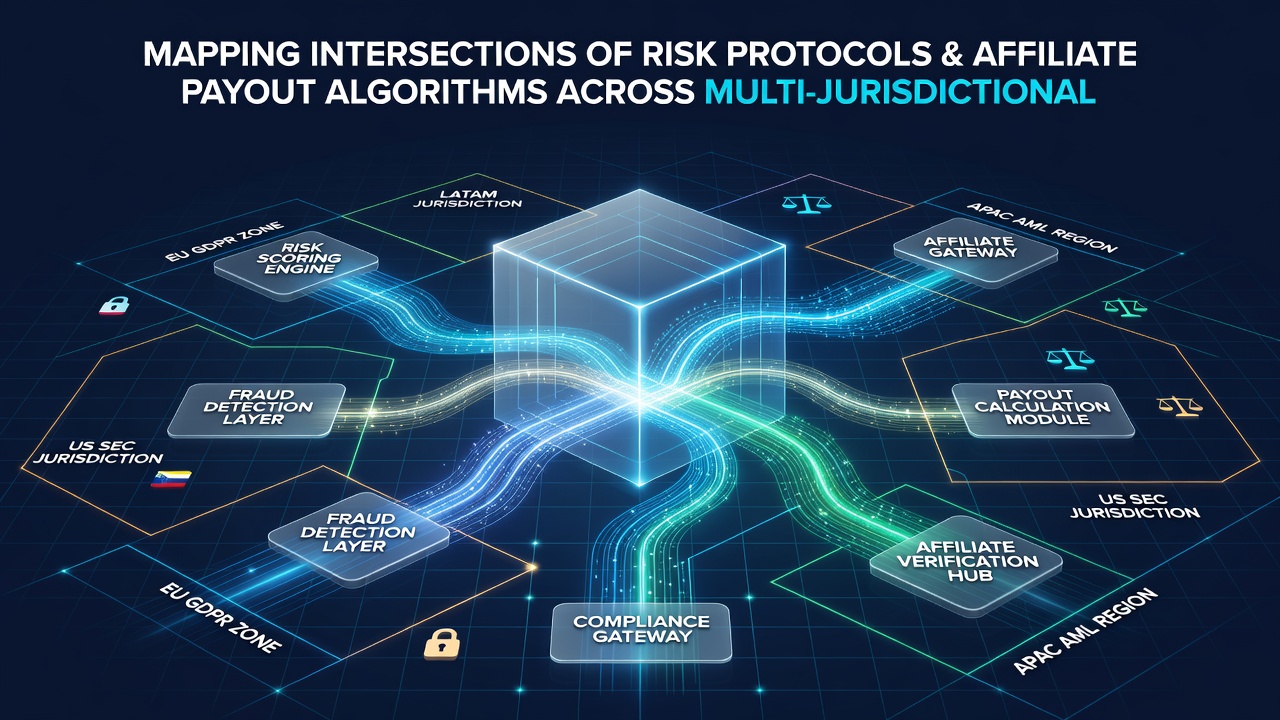
Research from the University of Nevada, Las Vegas gaming studies program indicates that platforms using integrated risk-payout mapping reduce reconciliation disputes by routing flagged transactions through secondary approval queues before finalizing affiliate statements. European operators following Malta Gaming Authority guidelines apply similar mapping techniques, though their emphasis falls more heavily on responsible gaming markers that affect lifetime player value calculations used in affiliate formulas.
Case Examples from Network Implementations
One North American operator network adjusted its affiliate agreements in early 2026 to include jurisdiction-specific risk multipliers, and these multipliers automatically scale commission percentages when players originate from regions with heightened regulatory scrutiny. Australian platforms have adopted comparable systems that cross-reference player data against multiple state databases, creating payout delays when discrepancies appear in any single jurisdiction.
Industry reports from the European Gaming and Betting Association document how these intersections affect network-wide reporting, because affiliates must track separate compliance statuses for each market they promote. The result appears in consolidated dashboards that display both risk exposure levels and projected payout adjustments side by side.
Technical Integration Points
API connections between risk management modules and affiliate management systems allow continuous data exchange, where each completed compliance check updates the variables used in payout calculations. Operators configure these connections to handle jurisdiction-specific rulesets, so a single player action might satisfy requirements in one market while triggering additional protocols in another.
Those managing multi-jurisdictional networks note that mapping exercises become essential during platform updates, because even minor changes to risk scoring logic can propagate through payout algorithms and alter compensation for thousands of affiliate accounts simultaneously.
Conclusion
The intersection of risk protocols and affiliate payout algorithms continues to shape operational practices across multi-jurisdictional gaming networks, with technical integrations determining how compliance events translate into financial outcomes for affiliate partners. As regulatory environments evolve, the mapping of these intersections provides the framework operators use to maintain consistent payout processes while satisfying diverse licensing obligations.