Mapping Fraud Detection Upgrades in Cryptocurrency Payment Channels Across Emerging Asian Gaming Markets
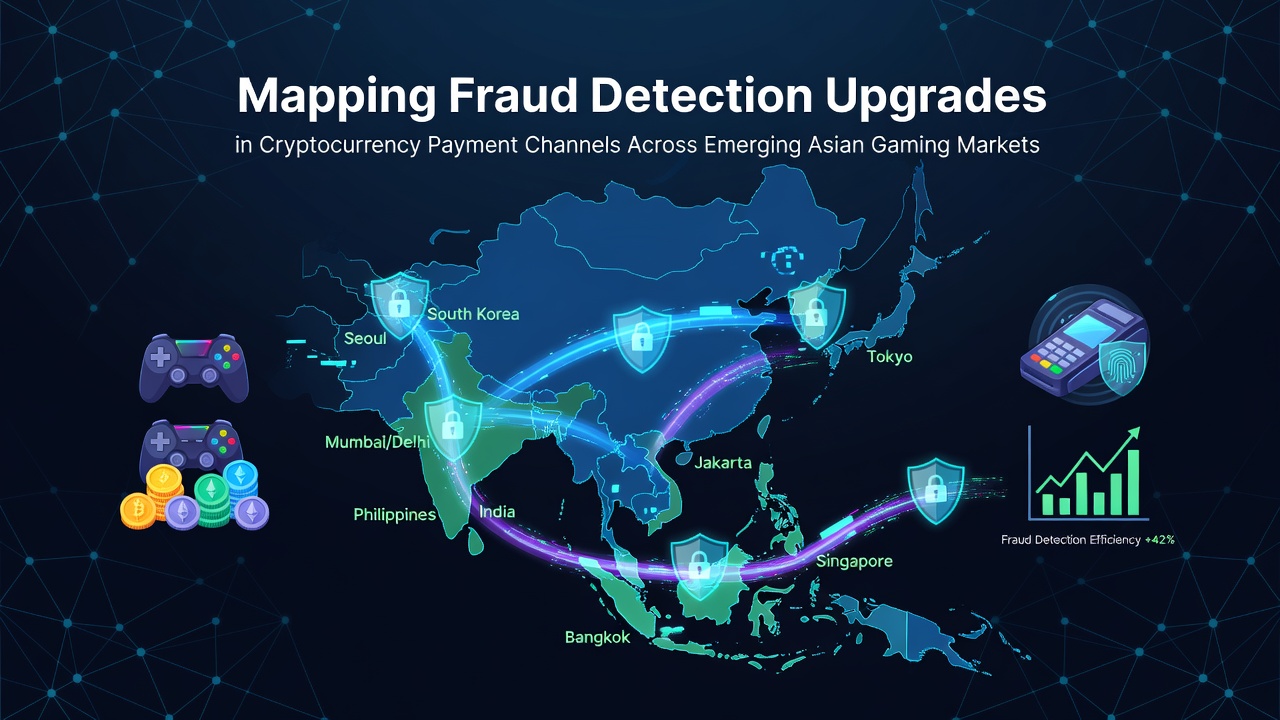
Emerging Asian gaming markets have accelerated their adoption of cryptocurrency payment channels since 2024, and observers note that fraud detection systems now form a core part of these infrastructures. Data from regional transaction volumes shows crypto usage rising sharply in jurisdictions such as the Philippines, Vietnam, and Malaysia, where operators integrate digital assets to serve players who prefer borderless transfers. Yet the same channels attract sophisticated attempts at double-spending, wallet hijacking, and synthetic identity schemes, prompting vendors to layer new monitoring tools onto existing ledgers.
Market Drivers Behind Crypto Integration
Gaming operators in Southeast Asia turned to stablecoins and major cryptocurrencies after traditional banking rails introduced longer settlement times and higher fees. Figures from industry trackers reveal that transaction counts through crypto gateways grew by more than 180 percent between mid-2024 and early 2026. Players in these markets often face capital controls or limited access to international cards, so crypto offers faster deposits and withdrawals while operators gain reduced chargeback exposure. At the same time, regulators in Manila and Hanoi have issued guidance that ties crypto acceptance to enhanced know-your-customer protocols and real-time anomaly detection.
Key Fraud Patterns Observed in 2025-2026
Security teams report that the most persistent threats involve mixer services that obscure transaction origins, followed by rapid cycling of funds across multiple wallets to evade velocity checks. Another pattern involves compromised merchant APIs that allow attackers to alter payout addresses mid-transaction. Researchers at several Asian universities documented clusters of these incidents peaking during major tournament seasons when deposit volumes spike. The patterns differ from Western markets because many players route funds through informal peer-to-peer exchangers that sit outside formal compliance frameworks.
Technical Upgrades Deployed by Mid-2026
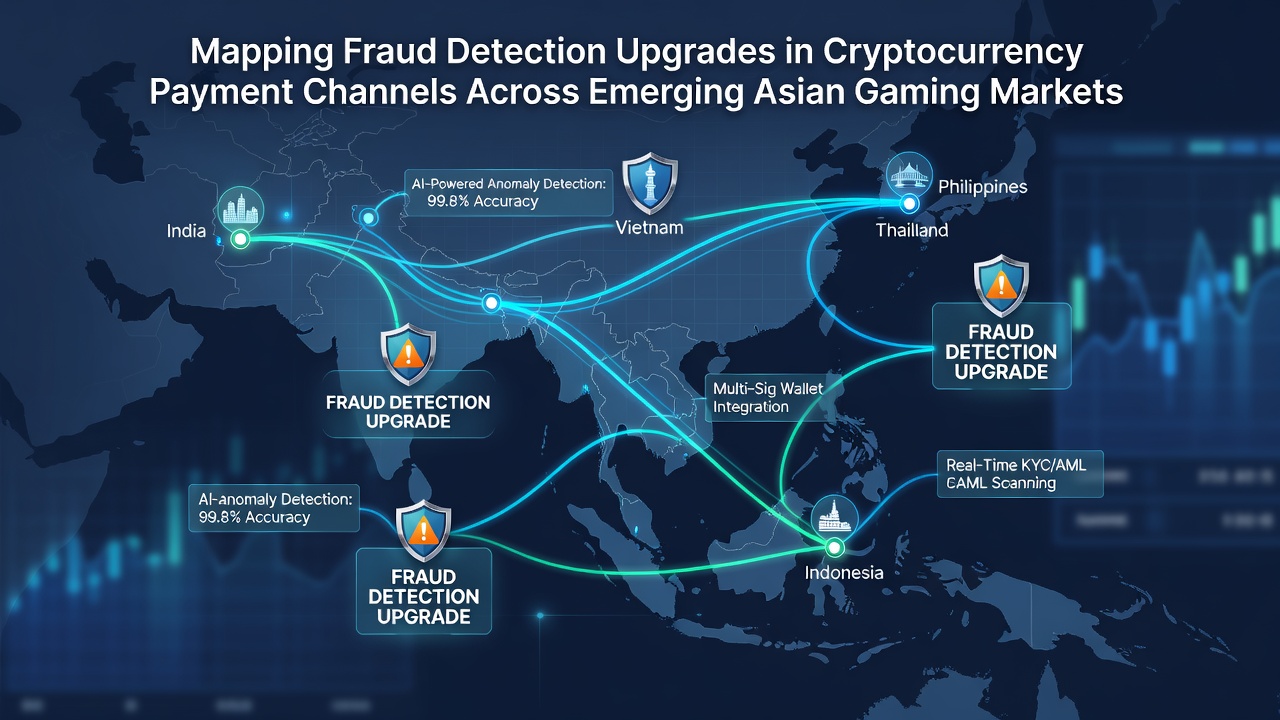
By June 2026 multiple payment processors serving the region had rolled out graph-based analytics engines that map wallet clusters in near real time. These systems ingest on-chain data together with off-chain signals such as device fingerprinting and behavioral biometrics collected at the gaming platform level. One vendor introduced a consensus-layer oracle that cross-checks transaction hashes against a shared blacklist maintained by operators across three countries. Another deployed zero-knowledge proofs to verify that incoming funds have not passed through sanctioned addresses without revealing the full transaction history to every participant. Implementation timelines varied, yet most upgrades included API hooks that feed alerts directly into the operator’s risk engine so that suspicious deposits trigger automated holds rather than manual review queues.
Regional Case Examples
In the Philippines, a licensed integrated resort group partnered with a Singapore-based analytics firm to embed multi-signature requirements on all crypto payouts above a defined threshold. The arrangement reduced disputed withdrawals by 47 percent within the first quarter of rollout, according to internal audit summaries shared with local regulators. Vietnamese operators, operating under a more fragmented licensing environment, adopted a consortium model that pools anonymized transaction metadata across platforms. This shared dataset improved detection of money-mule networks that previously cycled funds through dozens of micro-wallets. Malaysian operators focused on stablecoin corridors and introduced mandatory cooling periods for large inbound transfers that originate from newly created wallets, a measure that aligns with Bank Negara Malaysia’s updated digital-asset circular released earlier in 2026.
Regulatory and Standards Alignment
Authorities across the region have begun referencing the Financial Action Task Force’s travel rule when drafting crypto-specific amendments to gaming statutes. Although enforcement remains uneven, several licensing boards now require operators to demonstrate that their payment processors can freeze or reverse flagged transactions within defined time windows. Industry associations have circulated model compliance checklists that include regular penetration testing of wallet integration points and mandatory staff training on emerging social-engineering tactics aimed at gaming affiliates. Observers note that these requirements create a de-facto baseline that smaller operators must meet to maintain market access.
Interoperability and Data-Sharing Mechanisms
Payment channel upgrades increasingly rely on standardized schemas that allow different gaming platforms to exchange risk scores without exposing player identities. A pilot program launched in early 2026 connects three major Philippine operators with two Vietnamese platforms through an encrypted relay maintained by a neutral third party. Participants report that the relay reduced duplicate investigations of the same wallet cluster by more than half. The architecture uses permissioned blockchain segments so that each operator retains control over its local data while still contributing to collective pattern recognition. Such models are under consideration in Thailand and Indonesia as those markets prepare updated digital-asset frameworks expected later in the year.
Conclusion
The mapping of fraud detection upgrades across cryptocurrency payment channels in emerging Asian gaming markets shows a clear trajectory toward layered, data-driven defenses that combine on-chain analytics with platform-level behavioral signals. As transaction volumes continue to climb, operators and regulators alike have converged on technical standards that prioritize rapid identification of suspicious flows while preserving the speed advantages that drew players to crypto in the first place. Continued refinement of these systems through 2026 and beyond will depend on sustained cross-border cooperation and the willingness of vendors to adapt tools to the distinct risk profiles of each jurisdiction.