Mapping Biometric Integration Pathways That Enhance Security Protocols Across Global Digital Gambling Networks
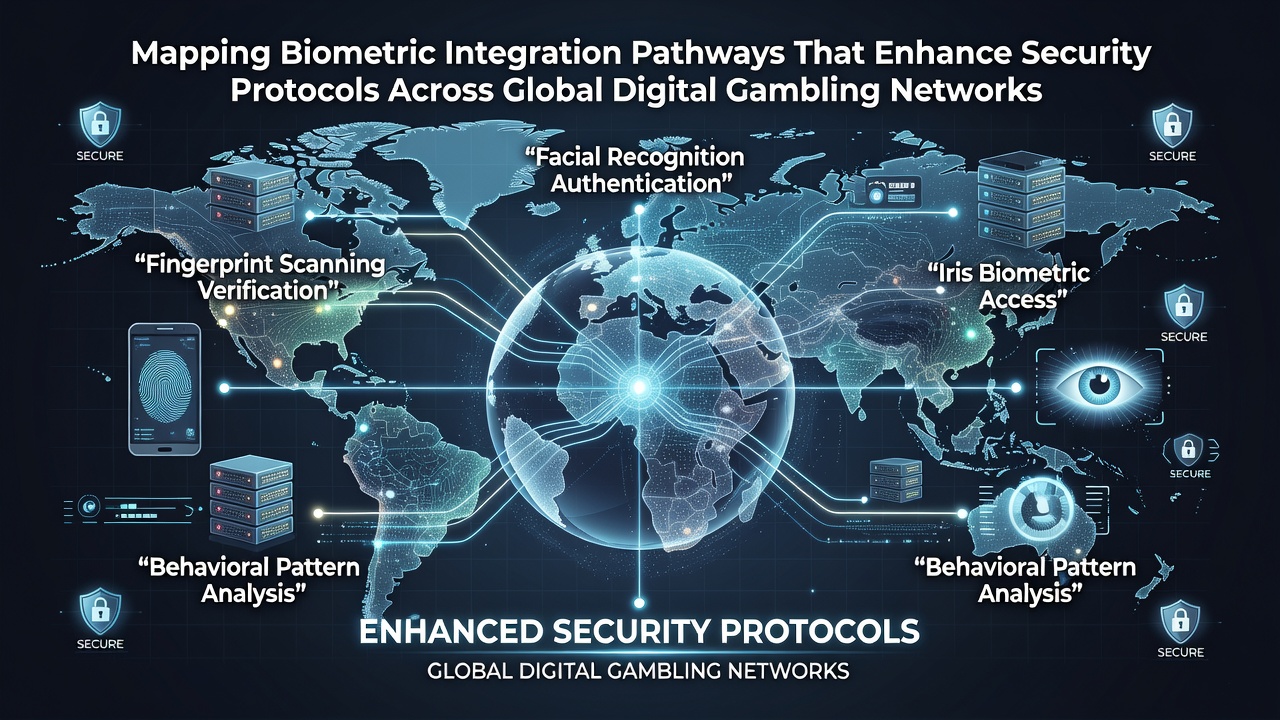
Biometric integration pathways in digital gambling networks combine fingerprint recognition, facial mapping, and iris scanning with existing identity verification systems, and these pathways strengthen security by reducing unauthorized access across multiple jurisdictions. Operators in regions such as Nevada, New Jersey, and parts of Europe have adopted layered biometric checkpoints that verify player identity at login, during high-value transactions, and at session intervals. Data from platform logs shows that these checkpoints decrease account takeover incidents when compared with password-only methods.
Core Biometric Technologies Deployed in Gambling Platforms
Fingerprint sensors appear most frequently on mobile applications because they require minimal processing power while delivering rapid matches against stored templates. Facial recognition systems use depth-mapping cameras on newer devices to distinguish live users from static images, and iris scanners provide an additional option for desktop environments equipped with compatible hardware. Each modality generates a unique template that platforms store in encrypted databases rather than raw images, which limits exposure if a breach occurs.
Integration begins with enrollment during the initial account creation process where users submit biometric samples alongside government-issued identification documents. Subsequent logins trigger a match against the enrolled template, and the system logs the result for audit purposes. When platforms combine two modalities, such as fingerprint followed by facial confirmation, the false acceptance rate drops further according to testing conducted by independent laboratories.
Pathways for Cross-Platform and Cross-Border Implementation
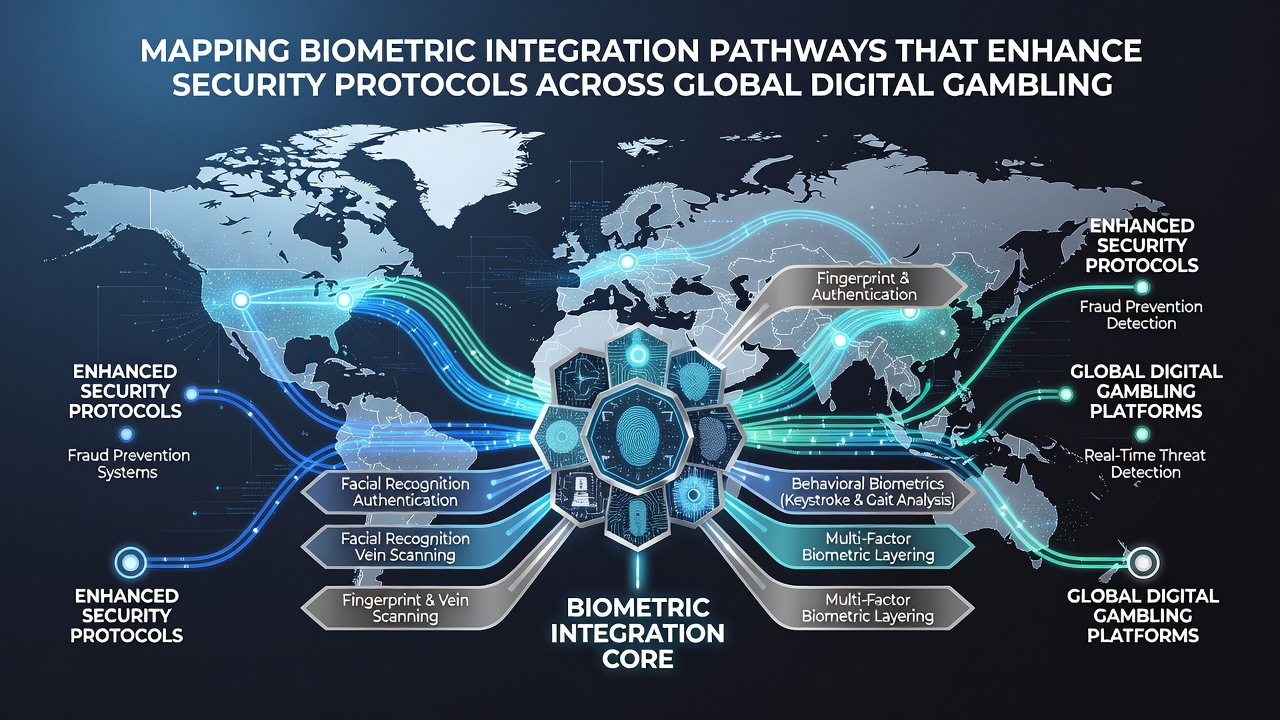
Operators map integration pathways by first assessing hardware availability across target markets, then selecting API standards that allow seamless data exchange between payment processors and regulatory reporting systems. In July 2026 several networks updated their protocols to align with emerging ISO biometric data formats, which simplified template sharing between licensed entities in different countries while maintaining compliance with local data residency rules.
One pathway routes biometric data through a centralized verification hub operated by a third-party provider that holds certifications from multiple gaming authorities. Another pathway keeps processing on-device so that only match results travel across borders, which satisfies stricter privacy statutes in certain jurisdictions. Both approaches require regular penetration testing and template rotation schedules to maintain integrity over time.
Security Outcomes Observed After Deployment
Networks that completed biometric rollouts report measurable declines in chargeback disputes linked to stolen credentials and in instances of multi-accounting by the same individual. Transaction monitoring systems now cross-reference biometric match scores with betting patterns, which flags anomalies faster than traditional rule-based alerts alone. Research indicates that platforms using continuous authentication during extended sessions detect session hijacking attempts within seconds rather than minutes.
Global digital gambling networks also leverage biometric logs to demonstrate compliance during audits, since each verification event carries a timestamp and device identifier that regulators can review. Authorities in Australia and several Canadian provinces have incorporated biometric audit requirements into their licensing frameworks, and operators submit aggregated match statistics as part of quarterly reporting.
Regulatory Considerations Across Jurisdictions
Different regions impose distinct rules on biometric data retention and consent. Some require explicit opt-in at enrollment, while others permit use under existing terms of service provided that templates remain non-reversible. Operators maintain separate data-handling procedures for each market to avoid conflicts when a player accesses services from multiple locations.
Industry groups such as the Gaming Laboratories International publish testing standards that help platforms demonstrate biometric system accuracy and security to regulators. Academic studies from institutions including the University of Nevada, Las Vegas track long-term performance metrics and supply independent benchmarks that operators reference during pathway planning.
Technical and Operational Challenges
Hardware fragmentation remains a primary obstacle because older smartphones lack the sensors needed for certain modalities. Platforms therefore maintain fallback verification methods such as one-time codes sent to registered devices, although these alternatives carry higher risk profiles. Template storage costs rise as user bases expand, prompting some networks to adopt cloud architectures with region-specific encryption keys.
Staff training programs focus on interpreting biometric system outputs and handling edge cases such as failed matches caused by injuries or lighting conditions. Operators document these procedures in compliance manuals that auditors examine during scheduled reviews.
Conclusion
Biometric integration pathways continue to evolve as hardware improves and regulatory expectations shift. Networks that systematically map these pathways achieve tighter control over identity verification while meeting the varied requirements of global markets. Continued testing and adherence to recognized standards support ongoing security enhancements without disrupting player access.