Interweaving Security Protocols and Audience Development Frameworks in Cross-Jurisdictional Gaming Partnerships

Cross-jurisdictional gaming partnerships require operators to align security measures directly with audience development strategies, and this integration shapes how platforms expand while meeting compliance demands across borders. Data from regulatory filings show that partnerships spanning multiple regions grew by 18 percent between 2024 and 2025, yet those without coordinated security and retention systems experienced higher rates of account suspension during audits.
Security Foundations in Multi-Region Operations
Operators embed encryption standards, access controls, and real-time monitoring into every layer of player interaction, and these protocols prevent unauthorized data transfers that could trigger license reviews in separate jurisdictions. Figures from the Nevada Gaming Control Board indicate that platforms using unified authentication systems reduced breach incidents by 27 percent in the first half of 2026, while partners relying on fragmented tools faced repeated compliance delays.
Tokenization of payment details and behavioral analytics run continuously in the background, which allows systems to flag unusual patterns without interrupting player sessions. Research from the Canadian Gaming Association highlights that networks applying these layered defenses maintained higher uptime during cross-border data exchanges, especially when audience campaigns pushed traffic spikes across time zones.
Audience Growth Structures That Complement Protections
Development frameworks focus on segmentation, personalization engines, and loyalty pathways that draw players from diverse regulatory environments, and these structures succeed only when security checkpoints sit inside the acquisition funnel rather than after registration. Partnerships that route new users through verified identity layers before offering targeted bonuses report steadier retention curves, according to internal metrics shared at the 2026 International Gaming Summit.
Campaigns that incorporate geofencing and jurisdictional consent checks avoid marketing to restricted territories, which reduces both regulatory exposure and wasted acquisition spend. Evidence from Australian gaming reports shows operators combining these audience tools with automated compliance gates achieved 14 percent lower player churn rates during the April-to-July 2026 window compared with those using separate marketing and security stacks.
Where Protocols and Frameworks Overlap
The real operational leverage appears at the intersection points, where security rules feed directly into audience scoring models and retention triggers. Systems that share hashed player identifiers across borders let marketing teams adjust offers based on verified risk scores without exposing raw personal data, and this approach satisfies both data-protection statutes and growth targets simultaneously.
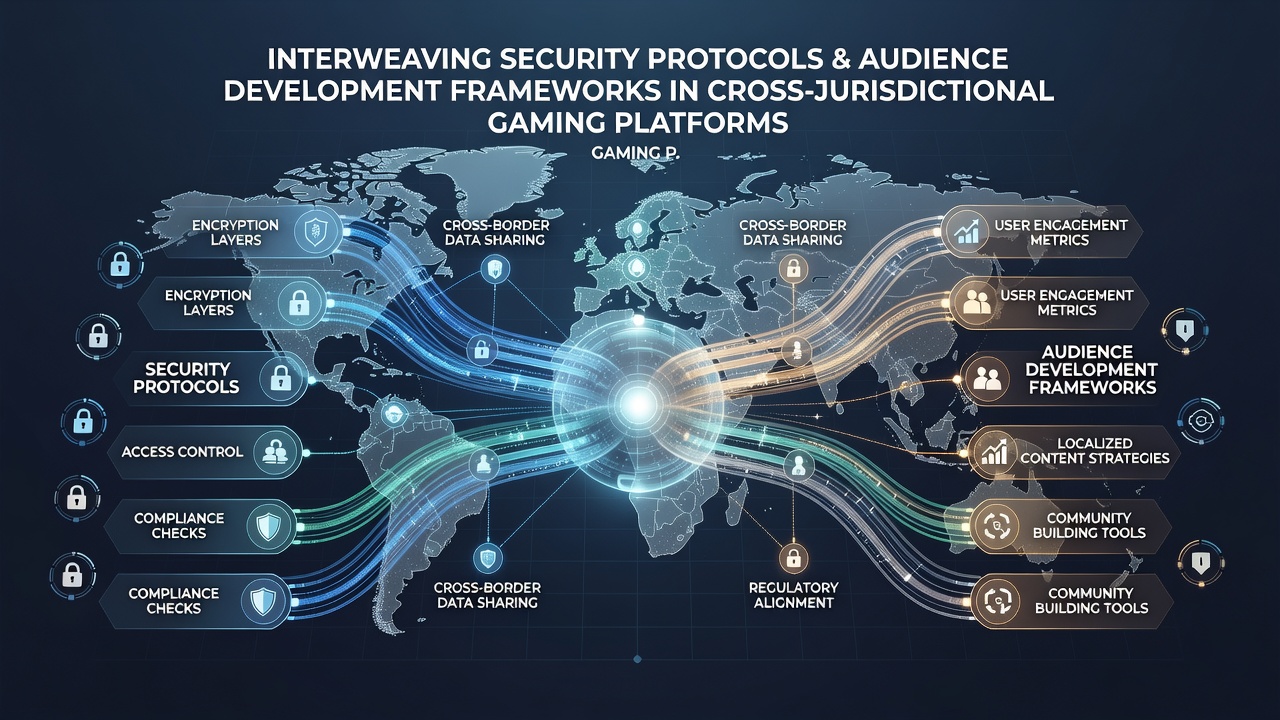
One documented case involved a European-North American partnership that synchronized its fraud-detection engine with a dynamic bonus engine, and the result was a measurable drop in chargeback volume alongside an increase in qualified sign-ups from previously untapped markets. Observers note that such synchronization shortens the time between initial registration and first deposit while still satisfying audit requirements in each participating jurisdiction.
Practical Adjustments Observed in Mid-2026
By July 2026 several alliances had begun testing shared audit dashboards that display both security incident logs and audience funnel metrics in a single view, and early adopters reported faster resolution of cross-border compliance questions. These dashboards pull from encrypted repositories that comply with the strictest data-localization rules in the partnership, which prevents any single operator from holding complete datasets that could violate regional statutes.
Training programs for affiliate teams now include modules on recognizing jurisdiction-specific red flags during player onboarding, and those programs correlate with fewer rejected marketing creatives during regulatory spot checks. Partnerships that rolled out these combined training and technical measures in the first quarter of 2026 recorded smoother license renewals later that summer.
Conclusion
Effective cross-jurisdictional gaming partnerships treat security protocols and audience development frameworks as interdependent systems rather than separate workstreams, and the data emerging in 2026 indicate measurable gains in both compliance stability and player longevity when this integration occurs. Operators continue to refine the technical bridges between these areas as new regulatory updates appear, yet the core pattern remains consistent: security decisions shape which audience segments can be reached, and audience goals determine which security investments deliver the highest operational return.