How Verification Protocols Reshape Revenue Splits Among International Gaming Collaborators
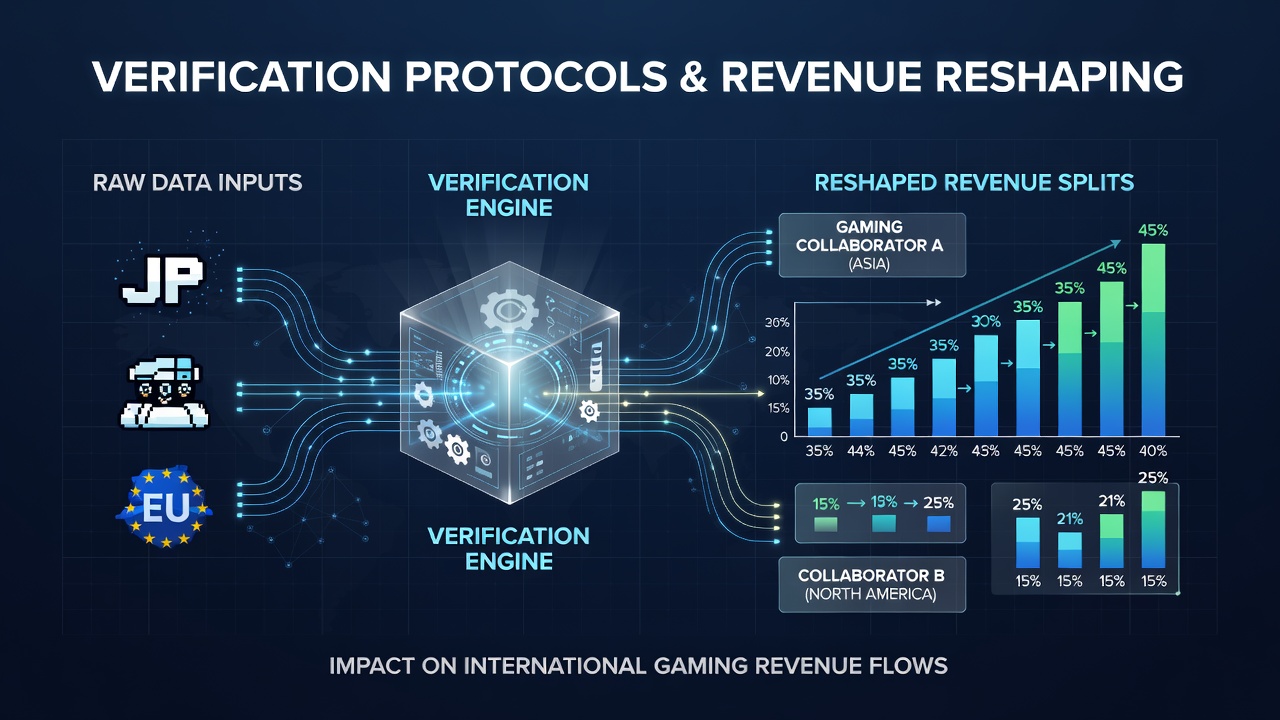
Verification protocols in international gaming have grown more intricate over recent years, and these systems now directly influence how revenue gets divided among platform operators, content providers, and affiliate networks that operate across multiple jurisdictions. Companies that collaborate on casino platforms or betting exchanges must factor compliance costs into their agreements because identity checks, anti-money laundering screenings, and ongoing monitoring create expenses that were less prominent in earlier models.
Core Elements of Modern Verification Systems
Verification frameworks require real-time data validation from players in different countries, and this process often involves third-party services that charge per transaction or subscription fees. When partners from North America, Europe, and Asia work together on a single platform, each jurisdiction may impose distinct requirements for document verification, age confirmation, and source-of-funds checks. These variations mean that revenue share formulas now include line items for compliance overhead, whereas older contracts treated such costs as minor operational details.
Observers note that platforms have started embedding verification expenses into payout algorithms so that affiliates receive adjusted percentages after these deductions occur. Data from regulatory filings shows that operators in multi-jurisdictional setups allocate between 3 and 8 percent of gross gaming revenue toward verification infrastructure, and this allocation reduces the pool available for traditional revenue splits.
Adjustments in Contract Structures
Agreements between international collaborators increasingly tie revenue percentages to verification performance metrics. A partner responsible for player onboarding in a high-regulation market might receive a larger share to offset the heavier compliance burden, while the content supplier in a lighter-regulation area accepts a reduced cut. This shift emerged clearly in updates published during July 2026, when several network operators revised their master service agreements to reflect new verification standards.
Those who've studied these contracts find that clauses now specify audit rights over verification logs, and failure to meet accuracy thresholds can trigger automatic reductions in an affiliate's revenue share. Such provisions protect the primary operator from regulatory fines yet create incentives for all parties to invest in robust verification technology.
Regional Regulatory Influences on Splits
Different regulatory bodies shape these dynamics in distinct ways. The Alcohol and Gaming Commission of Ontario has emphasized standardized verification reporting that affects how Ontario-based operators divide proceeds with overseas content partners. Alcohol and Gaming Commission of Ontario reports indicate that compliance documentation now forms part of quarterly revenue reconciliations, leading some affiliates to negotiate higher base rates to cover added administrative work.
Meanwhile, research from the Australian Gambling Research Centre highlights similar patterns in the Asia-Pacific region, where cross-border platforms adjust splits based on the verification intensity required by each participating country. These adjustments ensure that partners handling stricter markets do not absorb disproportionate costs.
Technology Integration and Cost Allocation
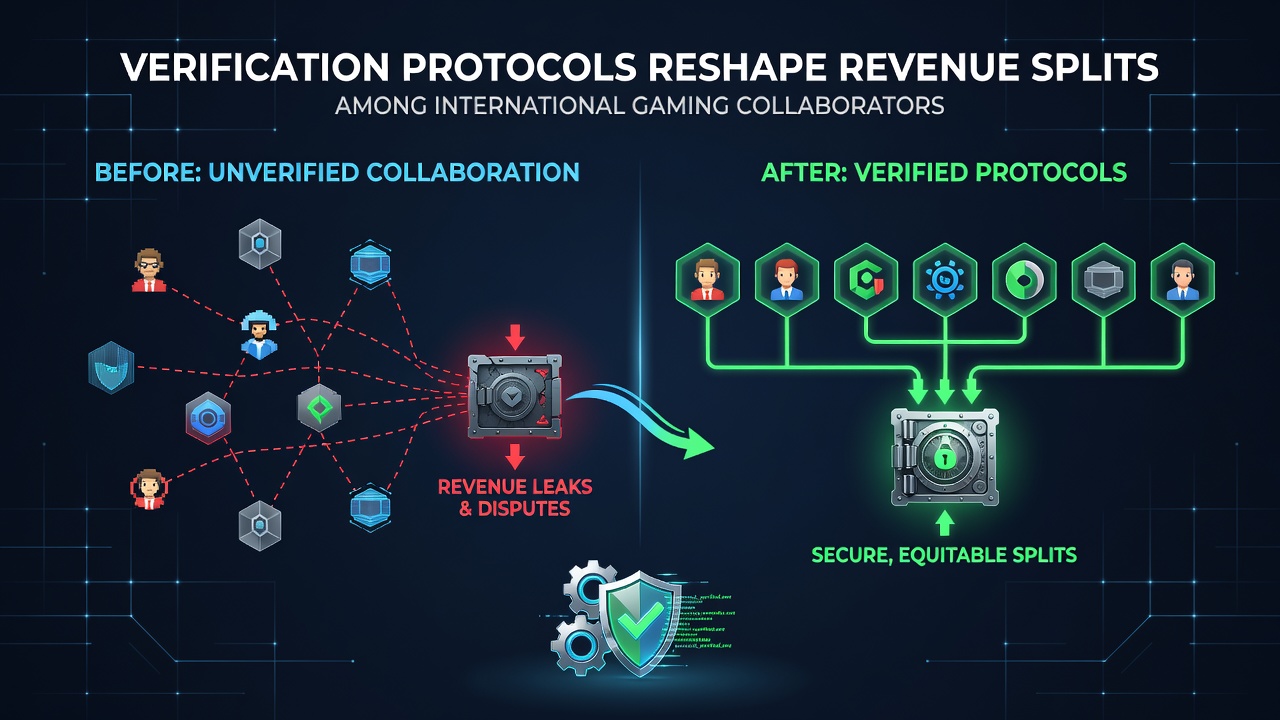
Many platforms now integrate verification tools directly into their backend systems, and this integration allows automated tracking of compliance expenses per player cohort. When a verification provider flags a higher-than-average number of manual reviews in a particular region, the associated costs get assigned to the revenue pool for that market before splits occur. Partners have responded by creating tiered commission structures that reward efficient verification while penalizing excessive manual interventions.
Case examples from 2026 show that some European-Asian collaborations reduced affiliate payouts by two percentage points after implementing enhanced biometric checks, yet they offered performance bonuses if verification pass rates stayed above 95 percent. This approach keeps overall revenue distribution aligned with actual compliance demands rather than fixed historical percentages.
Future Trajectory of Verification-Driven Splits
Industry reports project continued refinement of these models as verification technologies evolve. Blockchain-based identity solutions and federated learning approaches for fraud detection could lower per-transaction costs, potentially allowing revenue splits to stabilize or even revert toward earlier proportions. Until those efficiencies materialize, however, international gaming collaborators will continue calibrating agreements around verification realities.
Conclusion
Verification protocols have become a central variable in revenue calculations for international gaming partnerships. By embedding compliance costs into payout formulas and performance metrics, collaborators across borders maintain regulatory alignment while preserving financial viability for all parties involved. Ongoing regulatory updates and technological advances will likely prompt further recalibrations in the months ahead.