How Behavioral Pattern Recognition Tools Influence Commission Structures Across Diverse Gambling Jurisdictions
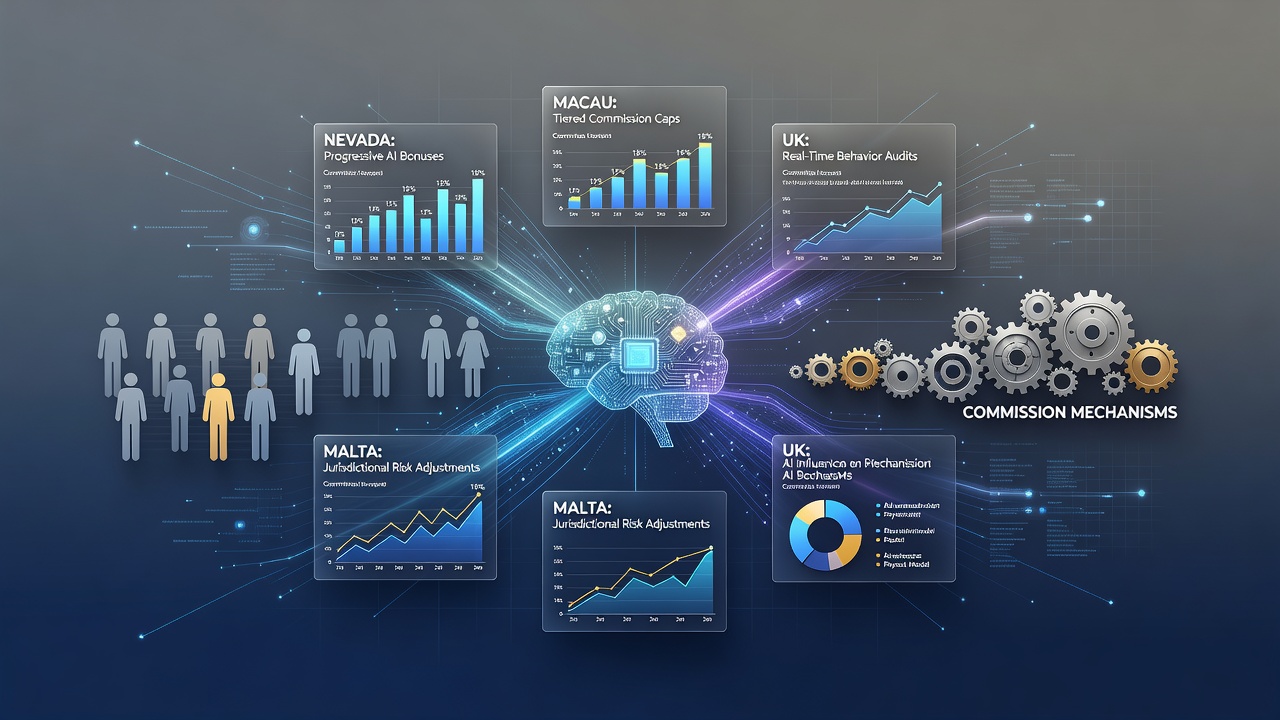
Behavioral pattern recognition tools now sit at the center of how commission structures get designed and adjusted in gambling markets worldwide, and operators along with affiliate partners rely on these systems to recalibrate payouts based on real-time data streams. These tools analyze sequences of player actions such as deposit frequency, session duration, game selection, and withdrawal patterns, then feed the results directly into revenue-sharing formulas that determine affiliate earnings.
Core Mechanisms Driving Commission Adjustments
Pattern recognition systems process large datasets to identify segments like high-value players who maintain consistent activity over months or those who trigger responsible gaming flags through sudden spikes in spending, and commission agreements in many jurisdictions now include clauses that tie bonus payments or reduced rates to these classifications. Data from integrated platforms shows that affiliates receive higher percentages when their referred traffic demonstrates sustained retention metrics, while lower tiers apply when patterns indicate elevated risk of chargebacks or early churn. Regulators in multiple regions require operators to document how these algorithmic outputs influence partner compensation, which creates standardized reporting cycles that affect contract renewals every quarter.
North American Markets and Tiered Payout Models
Jurisdictions such as New Jersey and Pennsylvania have integrated pattern analysis into affiliate oversight frameworks where commission rates fluctuate according to player lifetime value calculations derived from behavioral clusters, and operators adjust revenue shares downward when tools flag accounts linked to bonus abuse sequences. Ontario's iGaming framework similarly mandates that platforms submit monthly reports detailing how recognition algorithms modify partner payouts, which has led some networks to introduce performance bands that reward affiliates whose traffic maintains low-risk profiles across extended periods. Figures released by the Pennsylvania Gaming Control Board indicate that commission structures incorporating these metrics produced measurable shifts in average affiliate earnings between 2024 and 2025, particularly among partners focused on slots versus table games.
European and Asia-Pacific Regulatory Variations
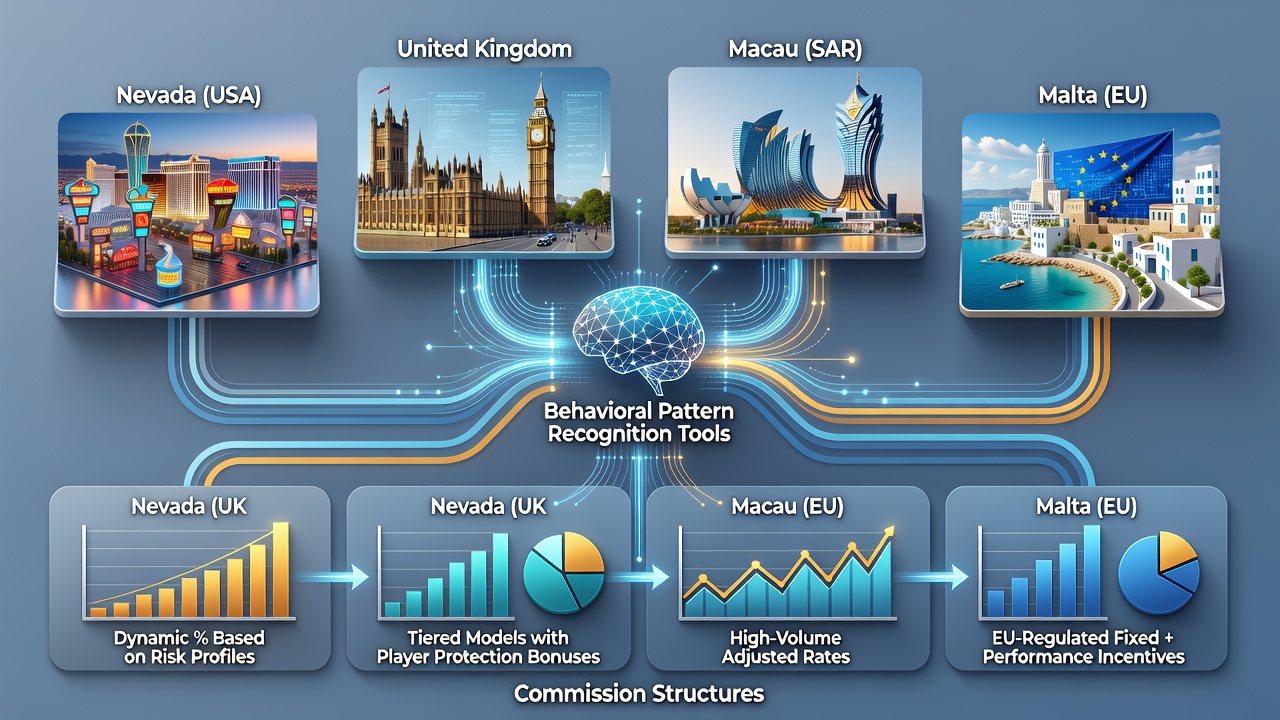
Markets across the European Union apply behavioral tools within broader consumer protection directives, which means commission models in countries like Malta and Sweden incorporate deductions when pattern data reveals clusters of players exhibiting rapid escalation in bet sizes, and these adjustments often occur automatically through platform APIs that update affiliate dashboards weekly. In Australia, state-level requirements in New South Wales and Victoria push operators to align commission schedules with harm-minimization outputs, resulting in graduated payout scales where affiliates earn full rates only after their referred players clear multi-month activity thresholds without triggering intervention protocols. Observers note that Singapore's tightly controlled environment uses similar recognition systems to maintain strict separation between VIP and mass-market traffic, directly affecting how international affiliate agreements calculate shares from each segment.
Technical Integration and Contract Evolution
Modern platforms embed pattern recognition engines that connect directly to affiliate management software, allowing real-time recalculation of commissions whenever new behavioral clusters emerge, and this integration has prompted many networks to rewrite master service agreements with explicit language around data transparency and audit rights. Contracts now commonly specify that affiliates receive detailed breakdowns of how specific player sequences influenced their earnings, which reduces disputes while satisfying regulatory demands for traceability. Those who've examined these systems across borders report that the most significant changes appear in hybrid models where base commissions combine with performance bonuses tied to retention scores generated by the recognition tools.
Developments Emerging in Mid-2026
As June 2026 approaches, several licensing authorities have signaled upcoming revisions to how behavioral data must factor into affiliate compensation disclosures, and early guidance from Canadian provincial regulators suggests expanded requirements for quarterly pattern-impact statements. These updates build on existing frameworks in the United States and Australia, where operators already submit aggregated analytics that show commission reductions applied to traffic segments flagged for irregular deposit-withdrawal cycles. Industry reports indicate that networks operating across multiple jurisdictions have begun standardizing their internal dashboards to accommodate these forthcoming rules without disrupting existing partner relationships.
Conclusion
Behavioral pattern recognition tools continue to reshape commission structures by linking affiliate compensation to measurable player behaviors across regulatory environments, and the pace of integration shows no sign of slowing as more jurisdictions formalize data-driven oversight. Operators and their partners now navigate agreements that treat these algorithmic outputs as core inputs rather than optional analytics, which produces more granular and frequently updated payout models than earlier fixed-percentage arrangements allowed.