Examining Protocol Harmonization Processes Across Gaming Software Providers and Their Impact on Network Stability
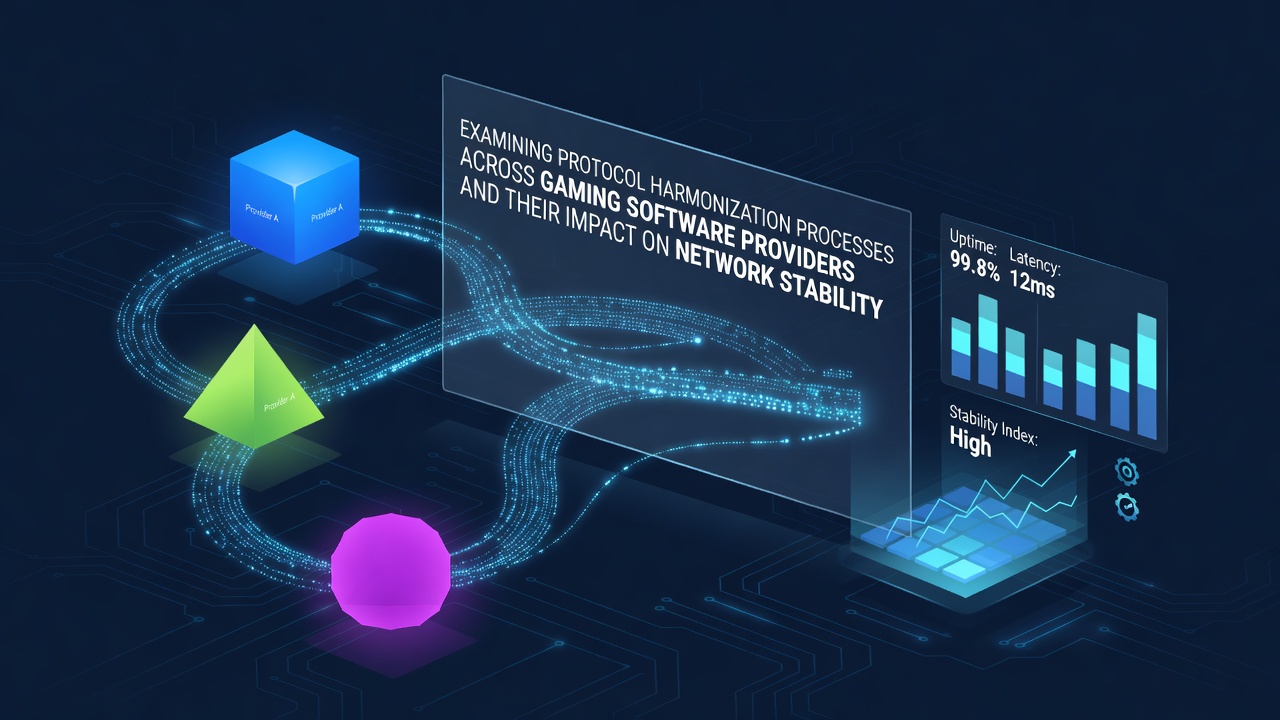
Protocol harmonization across gaming software providers involves aligning communication standards, data exchange formats, and authentication procedures so that disparate platforms operate within shared technical parameters. Multiple providers have pursued these alignments since the early 2020s, with accelerated activity reported through mid-2026. The process centers on establishing common application programming interfaces and message structures that reduce translation overhead between systems.
Core Elements of Harmonization Initiatives
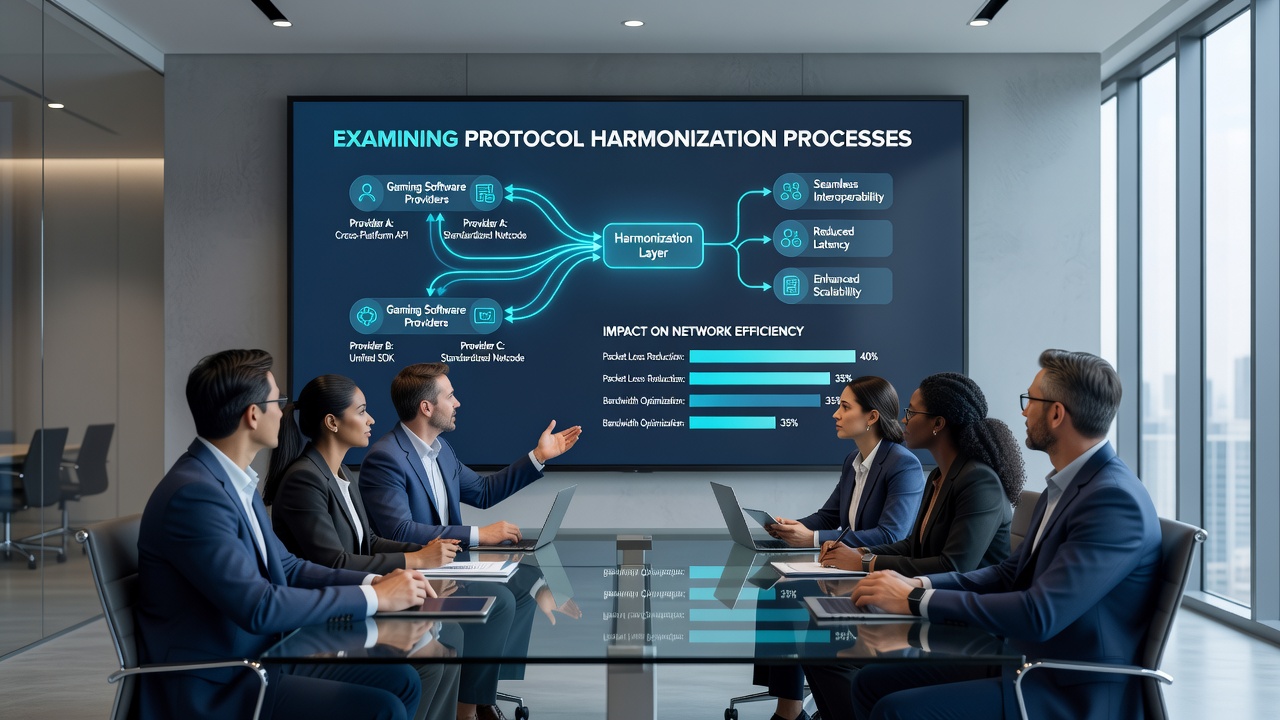
Software providers coordinate on several technical layers during harmonization projects. These layers include session management protocols that track player interactions across different game engines, payment verification sequences that confirm transactions in real time, and logging frameworks that record events in uniform formats for regulatory review. When providers adopt matching schemas for these functions, integration delays shrink and error rates decline during cross-platform operations.
Observers note that harmonization efforts often begin with working groups formed by industry associations. Participants map existing protocol variations, identify overlapping requirements, and draft unified specifications that each member can implement within agreed timelines. Data from 2025 implementation reports shows that organizations completing these mapping exercises achieved measurable reductions in packet loss during peak traffic periods.
Network Stability Outcomes Observed in Deployed Systems
Stability improvements appear most clearly in environments where multiple providers deliver content to the same operator network. Latency spikes that previously occurred during simultaneous game launches have decreased after protocol alignment, because session handoffs now follow identical timing rules rather than requiring custom adapters. Network monitoring conducted in June 2026 at several large-scale deployments recorded uptime percentages above 99.7 percent across harmonized connections, compared with figures near 98.4 percent in non-aligned segments of the same infrastructure.
Load balancing mechanisms also function more predictably once data packets carry consistent header information. Engineers have documented fewer instances of server overload when traffic routing decisions rely on standardized metrics instead of provider-specific tags. One documented case involved a North American operator that consolidated feeds from five separate studios; after harmonization, the operator reported a 34 percent drop in connection resets during high-volume evenings.
Technical Challenges Encountered During Alignment
Despite clear benefits, the alignment process surfaces compatibility issues that require targeted solutions. Legacy systems often retain proprietary encryption methods or unique checksum calculations that conflict with newer unified standards. Teams address these conflicts through phased migration schedules, during which parallel protocol stacks run temporarily until full cutover occurs.
Version control presents another persistent obstacle. When one provider releases an update that alters a shared message field, downstream systems must incorporate the change without disrupting ongoing sessions. Coordination documents circulated among participants in early 2026 emphasized strict release calendars and mandatory backward-compatibility testing windows to mitigate these risks.
Regulatory and Standards Bodies Influencing the Process
Agencies such as the Nevada Gaming Control Board and the Malta Gaming Authority have issued guidance encouraging common technical specifications for data reporting and security verification. These recommendations do not mandate specific protocols yet they establish baseline expectations that accelerate voluntary harmonization among providers seeking multi-jurisdiction approvals. Industry groups including the Gaming Standards Association publish technical bulletins that supply reference implementations for aligned interfaces.
Academic research from institutions such as the University of Nevada, Las Vegas has examined how standardized logging formats affect forensic capabilities during incident investigations. Findings indicate that harmonized records shorten the time required to trace transaction anomalies across provider boundaries, supporting both regulatory audits and internal stability reviews.
Measurement Approaches Used to Quantify Impact
Operators track stability through metrics that capture packet delivery ratios, session persistence rates, and failover response times. Comparative studies conducted after protocol updates reveal consistent patterns: networks utilizing aligned specifications experience fewer retransmission events and maintain steadier throughput under variable load conditions. Automated dashboards now aggregate these indicators across multiple providers, allowing operations teams to identify drift before it escalates into service interruptions.
Conclusion
Protocol harmonization continues to reshape how gaming software providers exchange data and maintain service continuity. As implementations mature, documented reductions in latency variability and connection failures demonstrate tangible effects on network performance. Ongoing coordination through standards organizations and regulatory guidance supports further refinements, while measurement frameworks provide the visibility needed to sustain these gains across expanding multi-provider environments.