Evolution of Fraud Detection Mechanisms and Their Effects on Marketing Partnership Agreements in Regulated Online Gaming
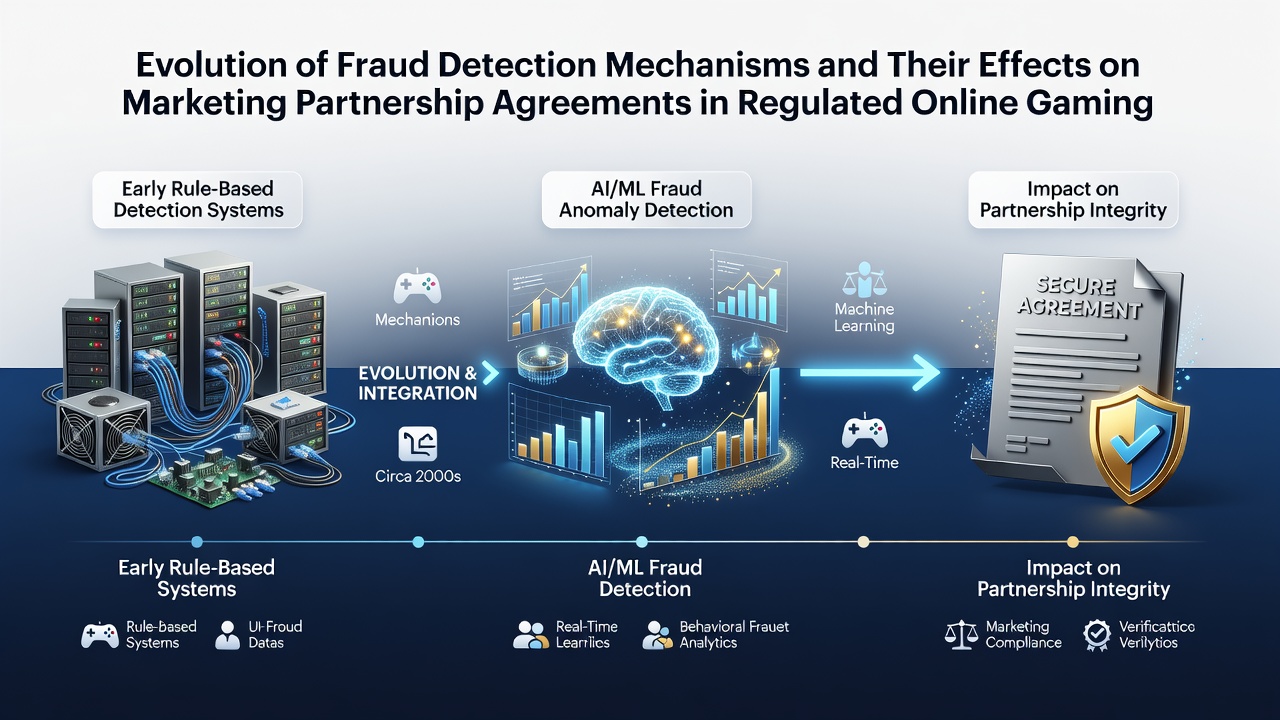
Regulated online gaming markets have seen steady shifts in how operators identify and block fraudulent activity, and these changes have directly altered the terms found in marketing partnership agreements. Fraud detection once relied on manual reviews and basic rule-based filters, yet the scale of digital transactions pushed platforms toward automated systems that track patterns across accounts, payment methods, and player behavior. Those who manage affiliate programs now face clauses that tie commission payouts to verified traffic quality and compliance metrics.
Early Approaches to Fraud Prevention
Initial fraud controls in the late 1990s and early 2000s centered on static checks such as IP address matching and simple velocity rules that flagged multiple accounts from the same location. Marketing partners received revenue shares based largely on volume, with little scrutiny of traffic sources. Regulatory bodies in places like Nevada and New Jersey began requiring documented verification processes, which led operators to insert audit rights into affiliate contracts. Data from these early periods shows that chargeback rates often exceeded acceptable thresholds when detection remained limited to post-transaction reviews.
Integration of Machine Learning and Real-Time Analytics
By the mid-2010s, machine learning models started analyzing thousands of variables simultaneously, including device fingerprints, betting patterns, and deposit frequencies. These tools allowed platforms to score risk before funds cleared, reducing exposure from bonus abuse and money laundering schemes. Marketing agreements evolved accordingly, with performance metrics now including fraud rate thresholds that could trigger reduced commissions or contract termination. Observers note that operators in multiple jurisdictions began requiring affiliates to use approved tracking links and to disclose sub-affiliate relationships to maintain eligibility for revenue shares.
Regulatory Updates and Contract Adjustments in 2026
As of July 2026, several multi-jurisdictional frameworks require documented integration of behavioral analytics into compliance reporting. Affiliates operating across borders must demonstrate that their marketing channels pass automated screening for synthetic traffic and account farming. Research indicates that revenue share structures now frequently incorporate clawback provisions tied to detected fraud events, shifting financial risk onto partners who cannot prove traffic legitimacy. Government agencies in Canada and Australia have issued guidance that links affiliate program oversight to broader anti-money laundering obligations, prompting operators to revise payout schedules and introduce tiered commission rates based on fraud scores.
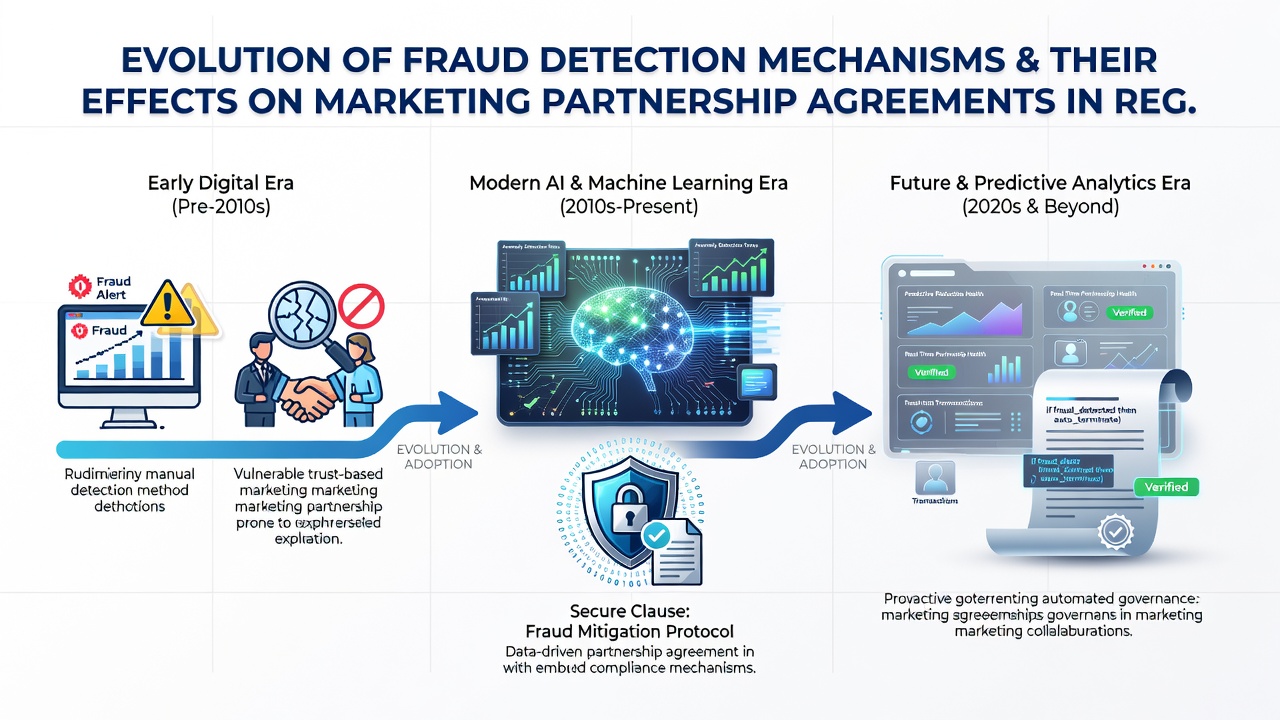
Those who study partnership agreements observe that encryption protocol enhancements and cross-border data sharing requirements have added layers of verification that affect how commissions are calculated and disbursed. Operators must now maintain audit trails that connect each referred player to verified marketing sources, and failure to meet these standards can result in withheld payments until discrepancies are resolved. Industry reports from European trade groups highlight that such measures have reduced certain forms of affiliate-driven fraud while increasing administrative burdens on compliant partners.
Effects on Revenue Models and Risk Allocation
Traditional cost-per-acquisition models have given way to hybrid structures where a portion of commissions remains contingent on sustained player value after fraud filters are applied. Partners who once received upfront bonuses now encounter staggered releases tied to ongoing compliance checks. Figures from regulatory filings reveal that jurisdictions with strict real-time monitoring report lower rates of bonus exploitation, yet affiliates must invest in compatible tracking technology to avoid exclusion from programs. Experts have documented cases where marketing agreements were renegotiated mid-term to incorporate new detection thresholds, resulting in adjusted revenue splits that reflect updated risk assessments.
Future Trajectories for Detection and Partnerships
Continued refinement of pattern recognition tools will likely influence how agreements allocate responsibility for emerging threats such as deepfake verification bypasses and coordinated multi-account operations. Regulatory bodies across North America and Europe continue to emphasize transparent reporting, which encourages operators to embed fraud metrics directly into partner dashboards. Those who maintain affiliate networks report that successful partnerships now depend on mutual access to anonymized datasets that support both detection accuracy and fair commission calculations.
Conclusion
The progression from basic rule-based filters to integrated machine learning systems has reshaped marketing partnership agreements by embedding fraud performance into payout formulas and compliance obligations. Jurisdictions continue to align detection standards with broader regulatory goals, producing contracts that emphasize verifiable traffic quality and shared accountability. Data from ongoing implementations shows measurable declines in certain fraud categories when these mechanisms operate consistently across platforms and partner networks.