Charting Interlinked Data Pathways That Align Gaming Software Adaptations With Retention Protocols in Affiliate Revenue Structures
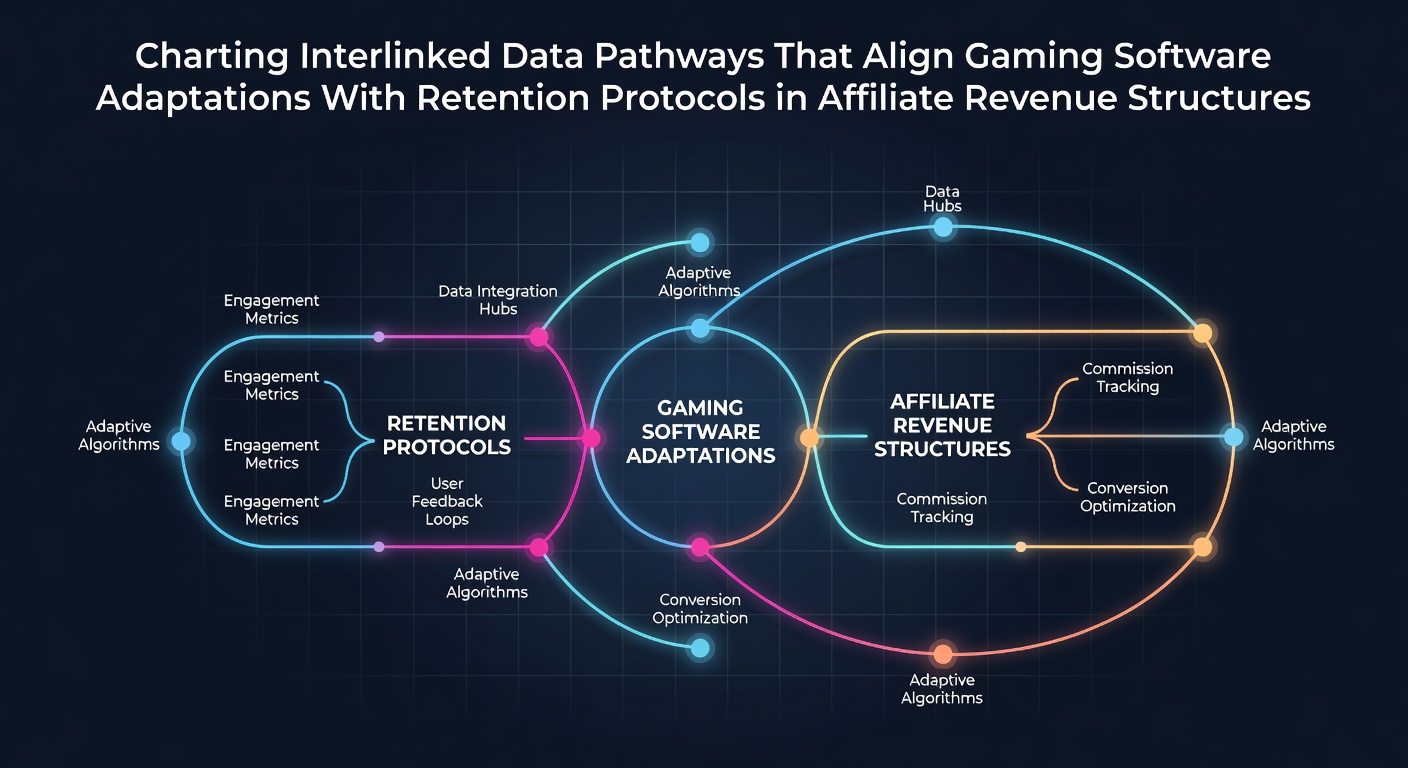
Interlinked data pathways form the backbone of modern gaming operations because they connect software modifications directly to player behavior metrics and revenue distribution models used by affiliate partners, while data streams flow continuously between game engines, retention algorithms, and commission calculation systems so operators can adjust features in real time without disrupting payment structures.
Mapping Core Data Connections in Gaming Ecosystems
Software adaptations rely on structured data flows that pull information from player sessions, session duration records, and feature engagement logs, then route those details through centralized analytics hubs where retention protocols evaluate churn risks and trigger targeted interventions such as personalized bonus structures or interface adjustments, and these same pathways feed performance indicators into affiliate dashboards so revenue shares reflect actual player longevity rather than initial acquisition alone.
Researchers have documented how application programming interfaces serve as the primary bridges in these networks because they allow gaming platforms to transmit real-time updates on game mechanics to retention modules while simultaneously logging commission-eligible events for affiliate networks, and when a software change occurs such as the addition of dynamic difficulty scaling the resulting engagement data travels along predefined routes that update both player loyalty scores and partner payout formulas in coordinated sequences.
Retention Protocols and Their Integration With Software Changes
Retention protocols operate through layered decision trees that analyze behavioral signals collected from adapted game versions, then apply rules that prioritize long-term engagement over short-term spikes, yet these protocols depend on accurate data handoffs from the software layer because any misalignment in the pathway can produce distorted retention forecasts and skewed revenue allocations for affiliates who depend on sustained player activity.
Data indicates that platforms using synchronized pathways experience more consistent alignment between feature rollouts and retention outcomes, and observers note that this synchronization becomes especially visible during periods of regulatory updates when software must incorporate new compliance elements while preserving the integrity of revenue-sharing calculations.
Affiliate Revenue Structures Supported by Unified Data Flows
Affiliate revenue structures in gaming typically combine revenue-share percentages with performance bonuses tied to player retention milestones, and the interlinked pathways ensure that these calculations draw from the same verified datasets used to measure software effectiveness so discrepancies between reported player activity and commission payments remain minimal, while automated reconciliation processes run along these pathways to verify that adaptations in game design have produced measurable retention gains before bonuses are released.
In June 2026 several platforms reported expanded use of unified data lakes that consolidate session logs, adaptation histories, and affiliate transaction records into single repositories accessible by both operators and partners through permissioned queries, and this approach reduces reconciliation delays that previously affected monthly settlements.

Technical Pathways and Standards Emerging Across Jurisdictions
Technical standards for these pathways continue to evolve as gaming companies adopt common data schemas that support interoperability between different software providers and affiliate management systems, and organizations such as the American Gaming Association have published frameworks that outline minimum requirements for data exchange formats used in retention tracking, while regulatory bodies in other regions issue complementary guidelines that address cross-border data movement within affiliate networks.
Those who have examined multiple implementations report that successful pathways incorporate audit trails at every junction so changes to game software can be traced through retention adjustments and into final revenue distributions, and this traceability supports compliance audits without requiring separate data extraction processes for each stakeholder.
Case Examples of Pathway Implementation
One documented implementation involved a multi-jurisdiction operator that integrated its game adaptation engine with a retention scoring model and an affiliate portal through a single data orchestration layer, resulting in coordinated updates where new game features automatically influenced retention targets and corresponding commission tiers, and similar configurations appear in reports from Canadian and Australian markets where data governance rules require explicit linkage between player protection measures and commercial reporting.
Studies from academic sources such as those published by the University of Melbourne have examined how these interlinked systems handle high-volume transaction data while maintaining separation between personal player information and aggregate performance metrics used for affiliate settlements.
Conclusion
Charting interlinked data pathways requires attention to both technical architecture and operational coordination because gaming software adaptations, retention protocols, and affiliate revenue structures depend on consistent data movement across all three domains, and continued development of standardized exchange methods supports more reliable alignment as platforms scale operations across additional markets.